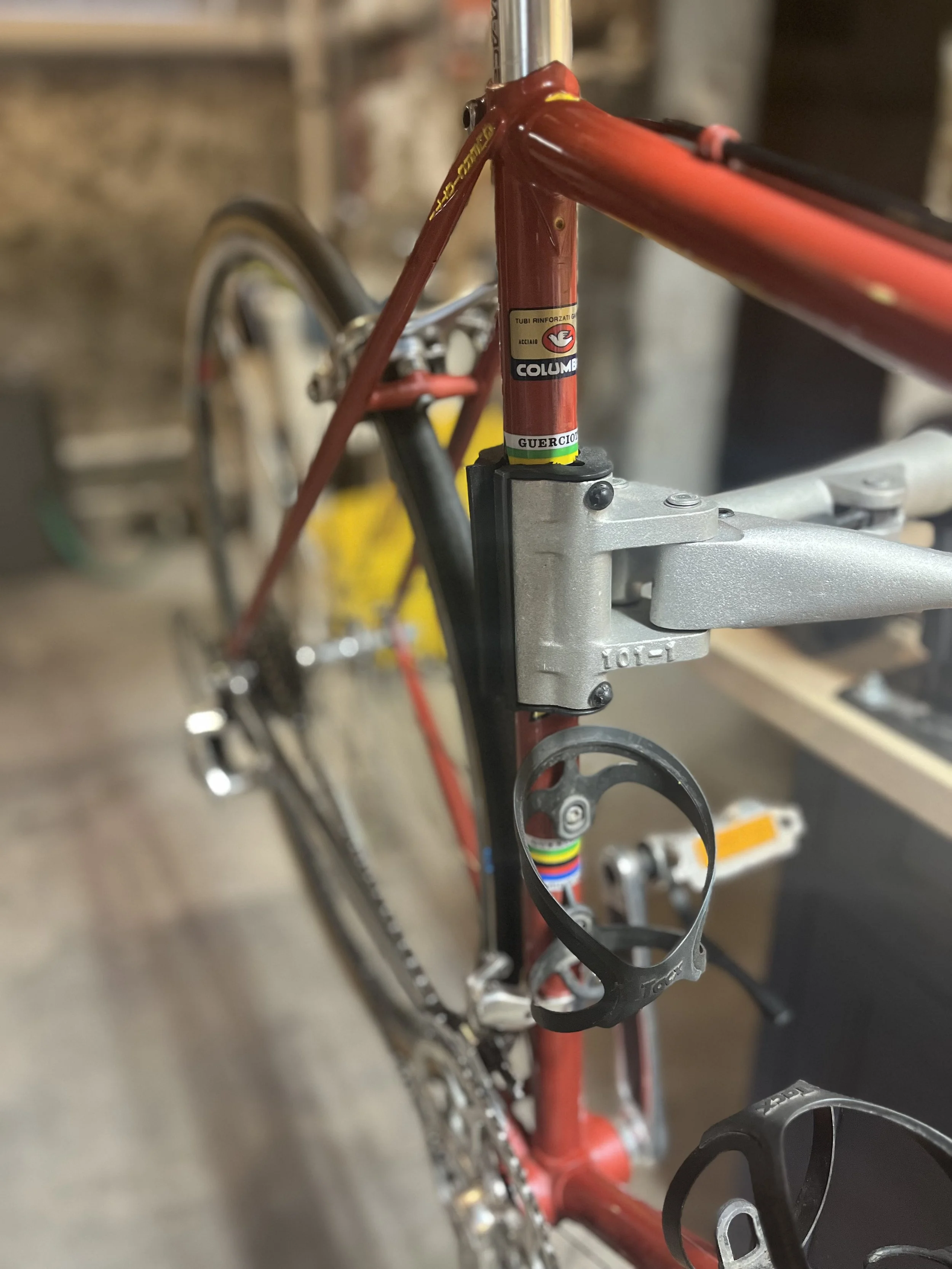
My Cycle Mechanic Bio:
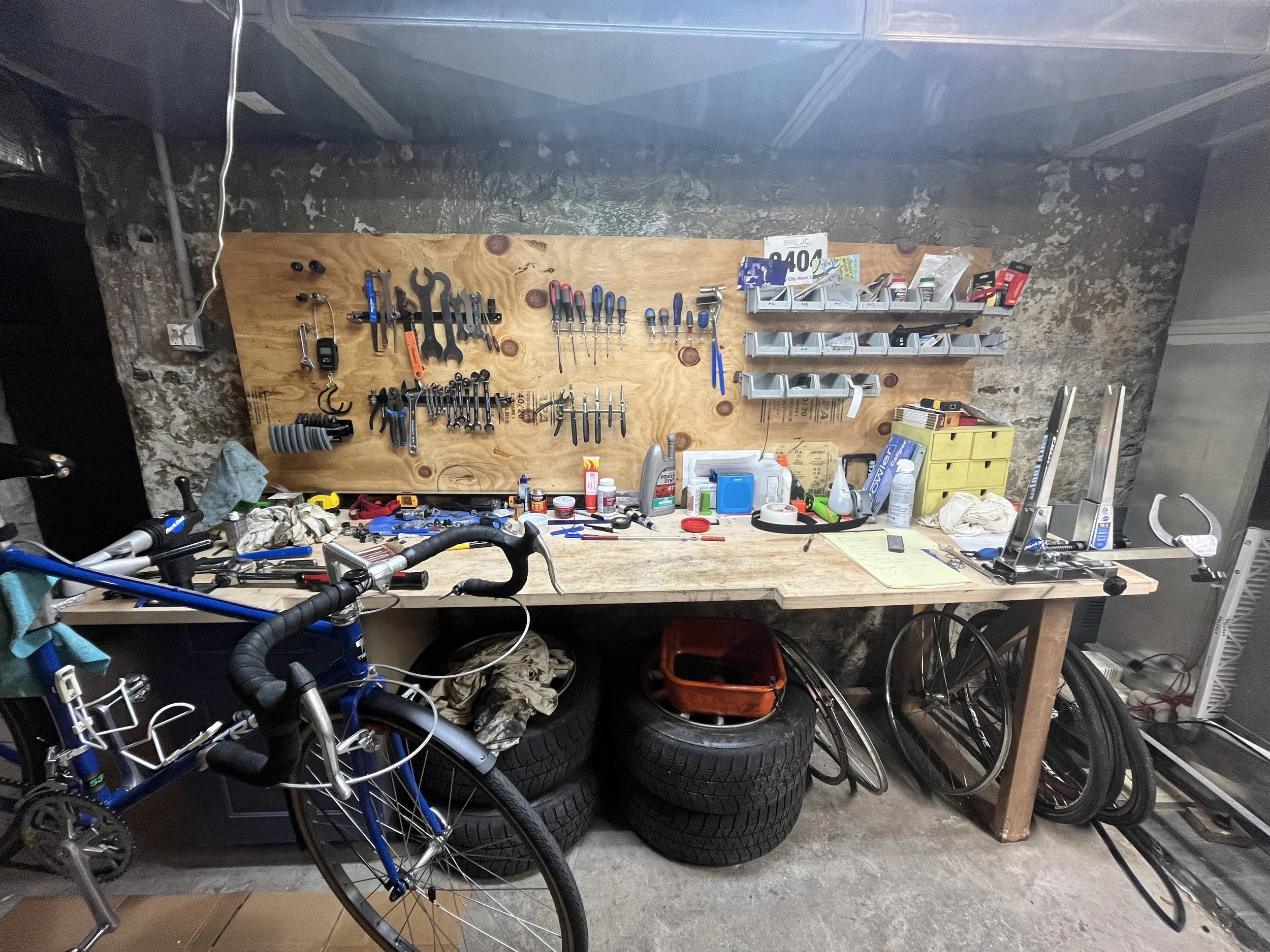
I’ve had a passion for bicycles since I was a child. As a kid growing up in suburban New Jersey, a bicycle provided freedom and mobility. In the 70’s and 80’s, BMX bikes were having their heyday, and we rode our 20” BMX machines all around town, discovered trails in local parks, and the few remaining undeveloped stretches of land. Our parents had no idea where we were, or what we were up to – we just needed to be home before dinner.
My Father is a generally handy DIY guy, who introduced me to tools at a young age. I was probably no older than 10 when I first started turning wrenches on my own bikes. Admittedly, in those early days I didn’t always successfully re-assemble everything I took apart. I got my first “good” bicycle at around age 13. It was a Lotus brand (made in Japan) and was relatively lightweight and fast. I made many modifications and improvements to that bicycle, and that’s when I started to feel confident as a mechanic. For the next couple years, I nagged the local bike shop to give me a job, and somewhere around age 15, they finally relented and hired me. I worked for Pro-Tour Cycles in Westfield up until I graduated high school and shipped off to University of Vermont. Once in Vermont, I leveraged my skills and experience to land a position at North Star Cyclery, in Burlington. I worked at North Star all the way to graduation, and then started my career in accounting and finance.
Throughout my corporate career, I’ve continued to enjoy working with my hands, repairing and tuning all sorts of machinery, from appliances to automobiles to wood burning stoves. After nearly 30 years working as an accounting and finance professional, culminating with a CFO role at a Wall Street brokerage firm, I’m returning to my roots. Bicycles are my original mechanical obsession, and I now want to help my fellow cyclists keep their wheels turning.
What kind of cyclist am I:
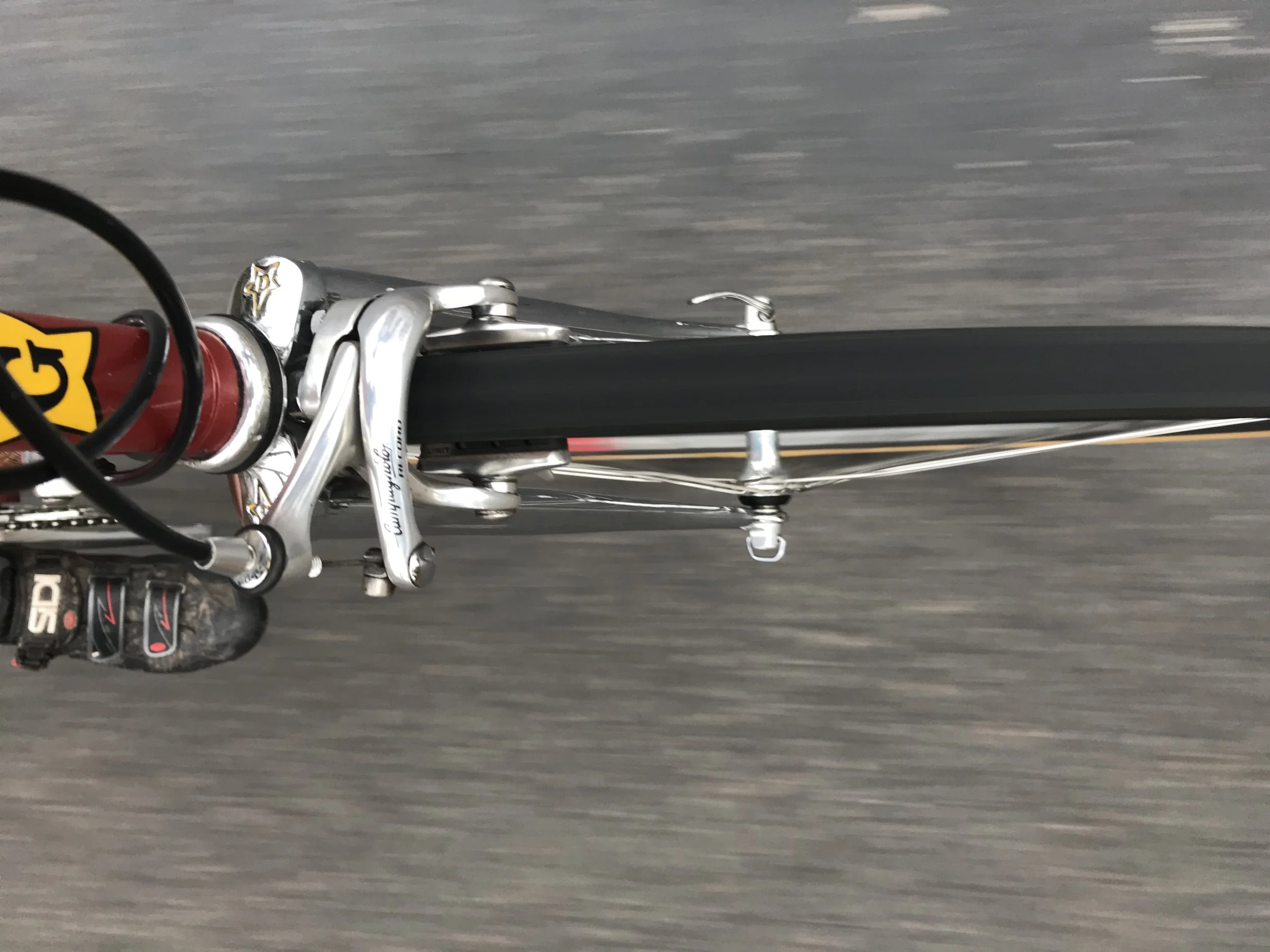
I believe the bicycle can be at the center of a healthy lifestyle. I ride for fitness, both physical and mental. I ride for transportation having used a bicycle for commuting for many years. I get grumpy when I don’t get enough saddle time. I don’t race or do triathlons. I ride on public roads, but I am not a “roadie.” I also ride mixed surface routes and sometimes like to ride trails and real off-road terrain. I like climbing hills, because then I get to speed down them. I like exploring new places on my bicycle. A fellow I spoke with who rode his bike across the USA said: “the bicycle is the right speed to see the world – not too fast to miss the details, but fast enough to actually get places.” I couldn’t agree more. Having lived in Hudson County for 20 years, I have come to believe that the bicycle is the absolute best form of transportation in this urban environment. Not only can you get around this area quickly on a bicycle, you gain fitness at the same time. It’s fantastic to see increasing investment in bicycle friendly infrastructure and I hope the trend continues.
My thoughts about the bicycle itself:
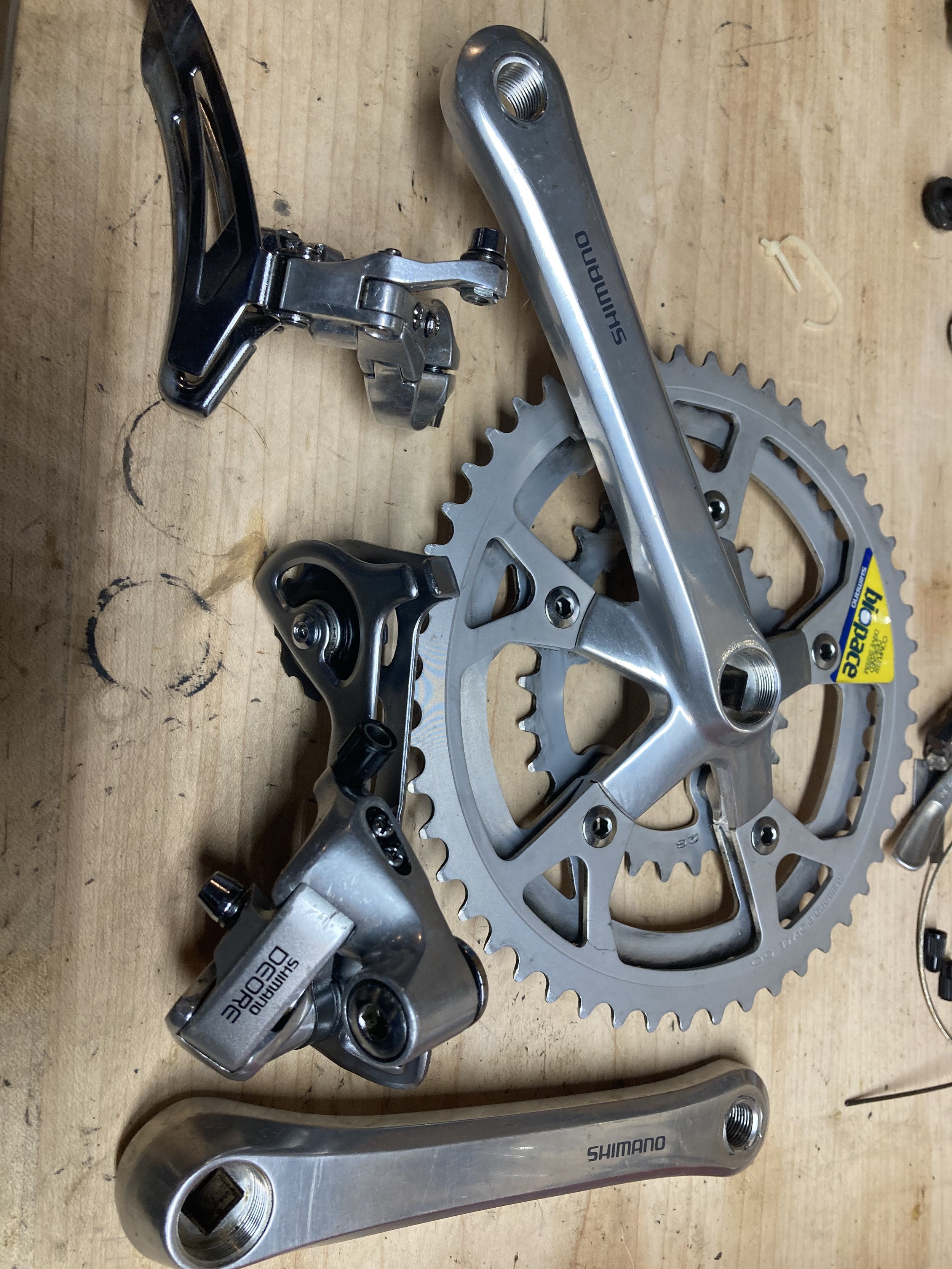
The bicycle is among the World’s oldest machines, with the earliest recognizable version invented in 1817. This also means the bicycle is among the World’s most refined machines. At the high-end, modern bicycles have become eye wateringly expensive. Today we have a dizzying array of bicycles on the market, each claiming to be specially designed for a niche use case. While there are certainly instances where you need the right tool and not just any bicycle will do, frequently the high degree of specialization being offered by the industry is just a way to sell you another piece of equipment that isn’t really necessary. I’ve become a fan of one recent trend in the industry, which is the “gravel” and “endurance” category. I like this segment, because the bicycles in this niche end up being more general purpose, which appeals to the kind of riding I like to do. However, you don’t need a shiny new gravel or endurance machine to enjoy a “general purpose” bicycle. You can start with an older high-end machine, mount appropriately sized tires, make adjustments to the fit with handlebar and stem changes as necessary, and possibly widen the gear ratios for easier climbing. I lean towards vintage bikes as I think they represent a real value in comparison to the pricing of new equipment, but that doesn’t mean I can’t or haven’t embraced new technologies. I’ve made friends with tubeless tires, hydraulic disk brakes, and electronic shifting. However, the few modern bikes I own came with a price tag of 10x-20x what I have spent to purchase top end vintage machines – and they are not 10x-20x better or more enjoyable to ride.